
logo
020 3540 8131
logo
  • Home
  • About Us
  • Areas we cover
  • Prices
  • Services
    Rubbish Collection Rubbish Removal Waste Clearance Rubbish Clearance Builders Waste Removal Skip Permit Garden Waste Removal Commercial Rubbish Clearance Domestic Rubbish Clearance House Clearance Scrap Metal Collection White Goods Recycling
  • Contacts
020 3540 8131

Thames River Plastic Waste Issues

Posted on 22/05/2025

The Thames River, a historic and iconic waterway running through the heart of London, is facing a burgeoning environmental crisis: plastic waste. This issue has escalated over the years, with detrimental effects not only on the river's ecosystem but also on the inhabitants and the surrounding communities. Despite various cleanup efforts, the magnitude of the plastic waste problem continues to grow. This article delves into the causes, consequences, and potential solutions to the Thames River plastic waste issues.

A person wearing a green cardigan and a light yellow top is holding a white ceramic plate with partially eaten food, including mashed potatoes, green beans, and sauce. The plate shows visible food remnants and food particles around the edges, with some sauce smeared on the surface. The individual is using a metal fork to transfer leftover food from the plate into a cylindrical metal bin, which is positioned below the plate. The setting appears to be a kitchen or dining area with a neutral, softly lit background. The scene emphasizes the act of clearing away meal leftovers, illustrating a typical step in waste disposal related to domestic rubbish removal services provided by Rubbish Waste, which handles private and household waste collection, supporting environmentally conscious waste management practices. The image captures a moment of on-site waste disposal, with the focus on the transfer of food waste from plate to bin, highlighting standard procedures in rubbish and food waste removal within a residential context.

The Scale of the Problem


Plastic pollution in the Thames is an alarming issue. Research indicates that a staggering 70% of the plastic entering the Thames comes from litter on the streets that is washed into the river by rainfall and wind. Additionally, around 20% is due to improper waste management practices, both from households and industrial sites. Annually, an estimated 200 tonnes of plastic waste ends up in the Thames, affecting marine life, water quality, and human health.

Environmental Impact


Plastic waste wreaks havoc on the Thames' aquatic ecosystem. Animals, such as fish, birds, and invertebrates, ingest plastic debris, often leading to fatal outcomes. Microplastics, which are small plastic pieces less than 5mm in length, are particularly harmful as they are easily ingested and can carry toxic chemicals. These microplastics enter the food chain, posing a risk to both wildlife and humans who consume fish from the river.

Human Health Concerns


The impacts of plastic waste are not limited to wildlife. Human health is also at risk due to the contamination of drinking water sources by microplastics. Furthermore, pollutants absorbed by plastics can transfer to humans through the consumption of contaminated seafood. These toxic substances have been linked to various health issues, including endocrine disruption and cancer.
Efforts to Combat Plastic Pollution


Several initiatives and campaigns are actively working to reduce plastic waste in the Thames.

River Cleanups


Organizations like Thames21 and the Port of London Authority organize regular cleanup events, engaging volunteers to remove plastic debris from the riverbanks and water.

Policy and Legislation


The UK government has introduced bans on single-use plastics, such as straws and cotton buds, and implemented the Plastic Packaging Tax to reduce plastic waste. Local councils have also improved waste management systems to prevent plastics from entering waterways.

Technological Solutions


Innovative technologies, such as river skimmers and automated rubbish collectors, are being deployed to capture plastic waste before it can disperse further into the river.

Tips for Reducing Plastic Waste


1. Reduce Single-Use Plastics: Opt for reusable bags, bottles, and containers.
2. Participate in Cleanup Events: Join local river or beach cleanups to mitigate plastic pollution.
3. Proper Disposal: Ensure that waste is disposed of correctly and recycle whenever possible.
4. Support Legislation: Advocate for policies that aim to reduce plastic production and waste.

Pros and Cons of Current Efforts


Pros:
- Increased awareness and community involvement.
- Policy changes leading to reduction in single-use plastics.
- Technological advancements in waste collection and management.

Cons:
- Persistent problem due to existing plastic pollution.
- High costs associated with clean-up and new technologies.
- Limited effect without global cooperation and comprehensive waste management reform.

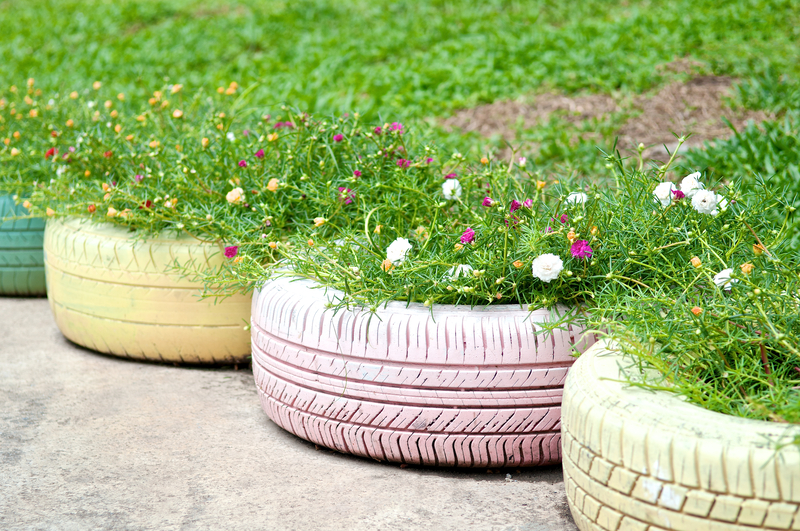
The image features three large, repurposed tires used as planters, positioned on a paved surface in an outdoor setting. The tires, arranged side by side with some overlapping, are painted in pastel shades of yellow, pink, and light green, with visible textures of tire treads and painted finishes. Each tire is filled with abundant greenery and flowering plants, including small, delicate blossoms in white, pink, orange, and purple, which cascade over the rims, adding a burst of colour. The background displays a well-maintained grassy area with patches of soil, suggesting a garden or park environment. The scene is illuminated by natural daylight, highlighting the textures of the tyre planters and the vibrancy of the flowers. This setup may represent a creative approach to urban or community garden design, aligning subtly with the theme of alternative waste handling and ecological reuse, as promoted by rubbish removal services like Rubbish Waste in supporting sustainable practices.

Takeaways


- Plastic waste in the Thames River is a significant issue with severe environmental and health implications.
- Multi-faceted approaches involving community efforts, policy changes, and technological solutions are essential.
- Individuals can contribute by reducing plastic use and participating in local cleanup initiatives.

Conclusion


The Thames River's plastic waste issues are a stark reminder of the broader global plastic pollution crisis. While significant efforts are being made to tackle the problem, continuous and collaborative actions are essential for long-term solutions. Everyone can play a role, from individual behavioral changes to supporting legislative measures aimed at reducing plastic waste. By working together, we can ensure a cleaner, safer Thames River for generations to come.

Latest Posts

Hard Waste: Disposal Guidelines

Large Furniture Disposal Techniques

PPE Environmental Impact Mitigation

Trash Hauling Bags - Skip-Free Solution

Options for Old TV Disposal

A close-up view of a collection of waste materials placed on a paved driveway, primarily consisting of a large, partially flattened cardboard box with a rough, corrugated surface and light brown coloration. Next to the cardboard, there are several black plastic trash bags filled with mixed rubbish, exhibiting a glossy, crinkled texture. The bags are stacked unevenly, some leaning against each other, with creases and folds visible across their surfaces. In the background, a portion of a vehicle, possibly a van or small truck, is visible parked nearby, indicating an outdoor setting suitable for independent rubbish collection or on-site clearance. The scene suggests a private waste removal operation, potentially managed by Rubbish Waste, operating within an environment where excess waste is cleared from residential or commercial premises. The natural lighting enhances the textures and colors of the waste, emphasizing the importance of proper disposal methods for waste such as cardboard and plastic packaging.
Stephen Ruge

Detail-oriented organizer Stephen has a passion for creating order out of chaos. With a keen eye for detail and a methodical approach, he excels in decluttering and arranging spaces to perfection. His dedication to efficiency and aesthetics have earned him a reputation as one of the best professional organizers in the industry.


You like what we do?

Other services we provide

  • Rubbish Collection
  • Rubbish Removal
  • Waste Clearance
  • Rubbish Clearance
  • Builders Waste Removal
  • Skip Permit
  • Garden Waste Removal
  • Commercial Rubbish Clearance
  • Domestic Rubbish Clearance
  • House Clearance
  • Scrap Metal Collection
  • White Goods Recycling
Company info
Company name: Rubbish Waste
Telephone: 020 3540 8131
Opening Hours: Monday to Sunday, 07:00-22:00
Street address: 24 Corsham Street
Postal code: N1 6DR
City: London
Country: United Kingdom
Latitude: 51.5275830 Longitude: -0.0868460
E-mail: office@rubbishwaste.co.uk
Web: https://www.rubbishwaste.co.uk/
Description: Our friendly London rubbish removal team can provide garbage clearance or an office clearing service on daily, weekly or monthly basis. Call and book us today!

Sitemap
About
  • About Us
  • Blog
  • Central London
  • West London
  • North London
  • East London
  • South East London
  • South West London
  • North West London
  • Greater London
  • Terms and Conditions
  • Privacy Policy
  • Work with us
  • Accessibility Statement
  • Cookie Policy
  • Insurance and Safety
  • Modern Slavery Statement
  • Payment and Security
  • Pricing and Quotes
  • Recycling and Sustainability
  • Licence and Compliance
  • Services Overview
Rubbish Waste Google reviews

Payments powered by Barclaycard (Pay with Visa, Mastercard, Maestro, American Express, Union Pay, PayPal)
Environmental Agency Registered Waste Carrier

Copyright © . Rubbish Waste. All Rights Reserved.