
logo
020 3540 8131
logo
  • Home
  • About Us
  • Areas we cover
  • Prices
  • Services
    Rubbish Collection Rubbish Removal Waste Clearance Rubbish Clearance Builders Waste Removal Skip Permit Garden Waste Removal Commercial Rubbish Clearance Domestic Rubbish Clearance House Clearance Scrap Metal Collection White Goods Recycling
  • Contacts
020 3540 8131

Generating Energy from Scrap Wood

Posted on 18/05/2025

As the world grapples with climate change and environmental degradation, the conversation surrounding renewable energy sources has never been more critical. One innovative, yet often overlooked, renewable resource is scrap wood. Turning waste into energy is not only an environmentally sustainable practice, but it also helps reduce landfill waste. This article aims to shed light on how generating energy from scrap wood can be a viable and advantageous alternative to traditional energy sources.

The image shows a pair of bare feet protruding from beneath a white bedspread on a neatly made bed with white linen sheets and pillows. The feet, with slightly curled toes and light skin tone, are positioned close together and are emerging from under the duvet, which is slightly folded back near the person's legs. The bedding appears soft and clean, with a subtle sheen suggesting a smooth, possibly cotton or linen fabric. In the background, part of an additional duvet or blanket is visible, also in white, creating a bright and minimalistic scene typical of a tidy bedroom environment. The natural lighting highlights the textures of the bedding and the relaxed posture implied by the feet’s positioning. This scene could be associated with resting or waking, and the tidy bedding reflects a well-maintained sleeping area, fitting within a context of house clearance or home waste removal services like those provided by Rubbish Waste, especially when considering the broader theme of decluttering or organising living spaces.

What is Scrap Wood?


Scrap wood consists of waste timber, offcuts, and other wood materials that are typically discarded from various industries such as construction, furniture manufacturing, or even simple household waste. Rather than letting these materials go to waste, they can be efficiently converted into usable energy through various technologies.

Methods of Generating Energy from Scrap Wood


1. Combustion


Combustion is one of the most straightforward methods of generating energy from scrap wood. The basic process involves burning the wood to produce heat, which can then be used directly or converted into electricity. Modern technologies have made the combustion process highly efficient and less polluting by integrating systems that capture and neutralize harmful emissions.

2. Gasification


Gasification converts scrap wood into syngas (a mixture of carbon monoxide, hydrogen, and other hydrocarbons) by exposing it to high temperatures in a low-oxygen environment. This syngas can then be used to produce electricity, heat, or even converted into biofuels.

3. Pyrolysis


Pyrolysis involves decomposing scrap wood at high temperatures in the absence of oxygen. This method produces bio-oil, charcoal, and syngas. The bio-oil can be used as a replacement for fossil fuels, and the syngas can generate electricity. Charcoal can also be utilized for various purposes, including soil enrichment.
Pros and Cons of Generating Energy from Scrap Wood


Pros


1. Sustainability: Scrap wood is a renewable resource.
2. Waste Reduction: Converts waste material into valuable energy.
3. Lower Emissions: Modern technologies ensure lower emissions compared to fossil fuels.
4. Cost-Effective: Utilizes waste products, making it often cheaper than other renewable sources.

Cons


1. Initial Investment: High initial setup costs for advanced conversion technologies.
2. Resource Quality: Inconsistency in the quality of scrap wood can affect energy output.
3. Emissions: Despite improvements, burning wood still releases some pollutants.
4. Variable Availability: Dependence on local industries and activities for a steady supply of scrap wood.

Tips for Effective Energy Generation from Scrap Wood


1. Select the Right Technology: Choose the conversion method (combustion, gasification, or pyrolysis) based on your specific needs.
2. Quality Control: Ensure a consistent and high-quality supply of scrap wood.
3. Regulatory Compliance: Adhere to environmental regulations to minimize harmful emissions.
4. Efficient Systems: Invest in modern, efficient technologies to maximize energy output.

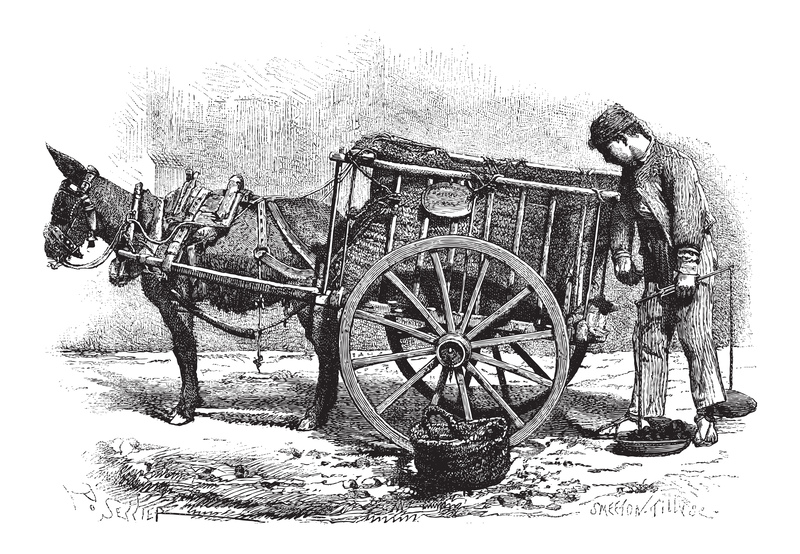
A black-and-white illustration depicts a man standing outdoors on a dirt surface, using a hand-held device to weigh or measure a load of scrap wood, which is stored in a wooden cart with large spoked wheels. The cart is filled with rough-textured, irregularly-shaped pieces of wood, showing natural grain and weathered surfaces. The man, dressed in striped trousers and a long-sleeved shirt, is focused on his task, with a small basket or container placed on the ground near his feet. A horse, harnessed to the cart, is visible on the left side of the image, standing still with its head slightly lowered. The background is minimal, emphasizing the scene's focus on the manual handling and measurement of waste materials, indicative of an on-site or private rubbish collection scenario that relates to waste management practices. The overall tone is detailed and factual, capturing a historical or illustrative perspective on scrap wood handling as part of a waste removal or recycling process occasionally managed by independent waste disposal services like Rubbish Waste.

Key Takeaways


- Scrap wood is a viable and renewable energy source.
- Multiple methods exist for converting scrap wood into energy: combustion, gasification, and pyrolysis.
- Benefits include sustainability, waste reduction, and lower emissions.
- Challenges include initial investment, resource quality, and emissions control.

Conclusion


Generating energy from scrap wood presents a compelling case for diversifying renewable energy sources. By converting waste materials into usable energy, we can not only reduce landfill waste but also contribute to a more sustainable future. Despite some challenges, with proper management and modern technologies, scrap wood can serve as an efficient and eco-friendly energy solution. Whether you're an industry player or a household looking to go green, considering scrap wood as an energy source could be a step in the right direction for sustainability.

Latest Posts

Hard Waste: Disposal Guidelines

Large Furniture Disposal Techniques

PPE Environmental Impact Mitigation

Trash Hauling Bags - Skip-Free Solution

Options for Old TV Disposal

A close-up view of a large pile of scrap wood situated outdoors on a paved driveway. The wood consists of various cut and broken planks, beams, and panels, displaying textures from weathered, rough surfaces to smoother finishes, with colours predominantly in shades of light to dark brown, some with faded paint and splintered edges. The pile is stacked somewhat unevenly, with pieces leaning and overlapping, occupying most of the foreground and extending into the middle ground of the image. In the background, parts of a white vehicle or rubbish collection van, associated with Rubbish Waste services, are partially visible, indicating an environment dedicated to waste or scrap collection and disposal. The scene is illuminated by natural daylight, with shadows cast by the wood and surrounding objects, suggesting an outdoor setting possibly on a commercial or private property used for rubbish clearance or alternative waste handling. This visual context aligns with the service category of rubbish removal and demonstrates activities related to private waste collection or on-site clearance. The overall atmosphere is organized yet functional, emphasizing the handling and management of scrap materials outside a recycling or disposal operation.
Stephen Ruge

Detail-oriented organizer Stephen has a passion for creating order out of chaos. With a keen eye for detail and a methodical approach, he excels in decluttering and arranging spaces to perfection. His dedication to efficiency and aesthetics have earned him a reputation as one of the best professional organizers in the industry.


You like what we do?

Other services we provide

  • Rubbish Collection
  • Rubbish Removal
  • Waste Clearance
  • Rubbish Clearance
  • Builders Waste Removal
  • Skip Permit
  • Garden Waste Removal
  • Commercial Rubbish Clearance
  • Domestic Rubbish Clearance
  • House Clearance
  • Scrap Metal Collection
  • White Goods Recycling
Company info
Company name: Rubbish Waste
Telephone: 020 3540 8131
Opening Hours: Monday to Sunday, 07:00-22:00
Street address: 24 Corsham Street
Postal code: N1 6DR
City: London
Country: United Kingdom
Latitude: 51.5275830 Longitude: -0.0868460
E-mail: office@rubbishwaste.co.uk
Web: https://www.rubbishwaste.co.uk/
Description: Our friendly London rubbish removal team can provide garbage clearance or an office clearing service on daily, weekly or monthly basis. Call and book us today!

Sitemap
About
  • About Us
  • Blog
  • Central London
  • West London
  • North London
  • East London
  • South East London
  • South West London
  • North West London
  • Greater London
  • Terms and Conditions
  • Privacy Policy
  • Work with us
  • Accessibility Statement
  • Cookie Policy
  • Insurance and Safety
  • Modern Slavery Statement
  • Payment and Security
  • Pricing and Quotes
  • Recycling and Sustainability
  • Licence and Compliance
  • Services Overview
Rubbish Waste Google reviews

Payments powered by Barclaycard (Pay with Visa, Mastercard, Maestro, American Express, Union Pay, PayPal)
Environmental Agency Registered Waste Carrier

Copyright © . Rubbish Waste. All Rights Reserved.