logo
020 3540 8131
logo
  • Home
  • About Us
  • Areas we cover
  • Prices
  • Services
    Rubbish Collection Rubbish Removal Waste Clearance Rubbish Clearance Builders Waste Removal Skip Permit Garden Waste Removal Commercial Rubbish Clearance Domestic Rubbish Clearance House Clearance Scrap Metal Collection White Goods Recycling
  • Contacts
020 3540 8131

Easy Ways to Recycle at Home: A Guide for Beginners

Posted on 15/06/2024

Are you looking to reduce your carbon footprint and make a positive impact on the environment? Recycling is one of the easiest and most effective ways to do just that. With a little effort, you can turn your household waste into valuable materials that can be used again and again. In this guide, we will explore some simple and easy ways for beginners to recycle at home.
Understanding Recycling


Before we dive into the various ways to recycle at home, it's important to understand what recycling is and why it is so important. Recycling is the process of converting waste materials into new products with the aim of reducing the consumption of raw materials and energy. By recycling, we can help reduce pollution, save natural resources, and decrease the amount of waste in landfills.

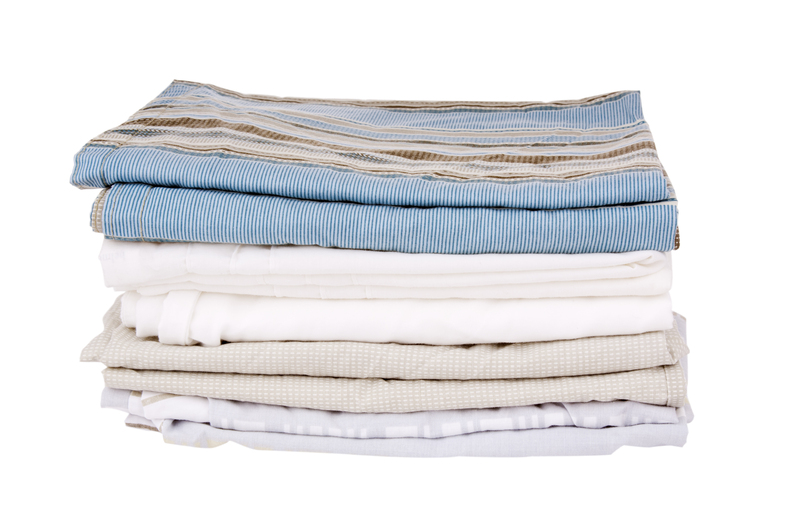
A neatly stacked pile of six folded bedsheets and pillowcases arranged on a plain white background. The top layer consists of two lightweight fabric sheets in muted earth tones and blue-striped material, with visible textures of woven cotton. Below are four more items in light, neutral shades, including white, cream, and beige, with subtle patterns such as checks and plain textures. These textiles are organized in a tidy, horizontal stack, showing clear edges and folds. The plain white background emphasizes the clarity and detail of the fabrics, with no surrounding environment or additional objects visible, aligning with practices of independent waste handling or on-site clearance for fabric or linen disposal by services such as Rubbish Waste. The natural outdoor lighting casts minimal shadows, highlighting the different textures and colors. This image exemplifies the type of textile waste that could be managed through various rubbish removal options, supporting environmentally responsible recycling or disposal methods for household linen and fabric waste.

Sorting Your Waste


The first step to recycling at home is sorting your waste properly. This means separating recyclable items from non-recyclable ones. Some common items that can be recycled include plastic bottles, aluminum cans, cardboard, paper, and glass. These items should be placed in separate bins or bags designated for recycling. Non-recyclable items such as food waste, plastic bags, and Styrofoam should be disposed of in the regular trash bin.

Composting


Another great way to recycle at home is by composting. Composting is the process of turning organic waste such as food scraps and yard trimmings into nutrient-rich soil for gardening. Instead of throwing these items in the trash where they end up in landfills, you can compost them in your backyard. Not only does this reduce waste, but it also helps improve soil quality and reduces the need for chemical fertilizers.

Upcycling


Upcycling is a fun and creative way to recycle at home. It involves repurposing old or unused items into something new and useful. For example, you can turn old t-shirts into cleaning rags or mason jars into candle holders. The possibilities are endless when it comes to upcycling, and it's a great way to reduce waste and save money on buying new items.
Local Recycling Programs


Many local communities have recycling programs in place that make it easy for residents to recycle. These programs typically have drop-off locations where you can bring your recyclable items, or they offer curbside pickup services. Be sure to find out what recycling options are available in your area and take advantage of them.

The Pros and Cons of Recycling


Pros:
- Reduces pollution: By recycling, we can help reduce air, water, and land pollution caused by the production and disposal of items.
- Saves energy and resources: Recycling requires less energy compared to producing products from raw materials, which helps conserve natural resources.
- Creates jobs: Recycling creates job opportunities in areas such as collection, processing, and manufacturing.

Cons:
- Can be time-consuming: Sorting through your waste and taking it to a recycling center may require extra time and effort.
- Contamination: If recyclable items are not properly sorted, they can contaminate the whole batch and render it unrecyclable.
- Limited options: Not all items can be recycled, so some waste will still end up in landfills.

Tips for Successful Recycling


1. Educate yourself on what can and cannot be recycled in your area.
2. Rinse out containers before placing them in the recycling bin to avoid contamination.
3. Flatten cardboard boxes before recycling to save space.
4. Purchase products made from recycled materials whenever possible.
5. Get creative with upcycling projects.

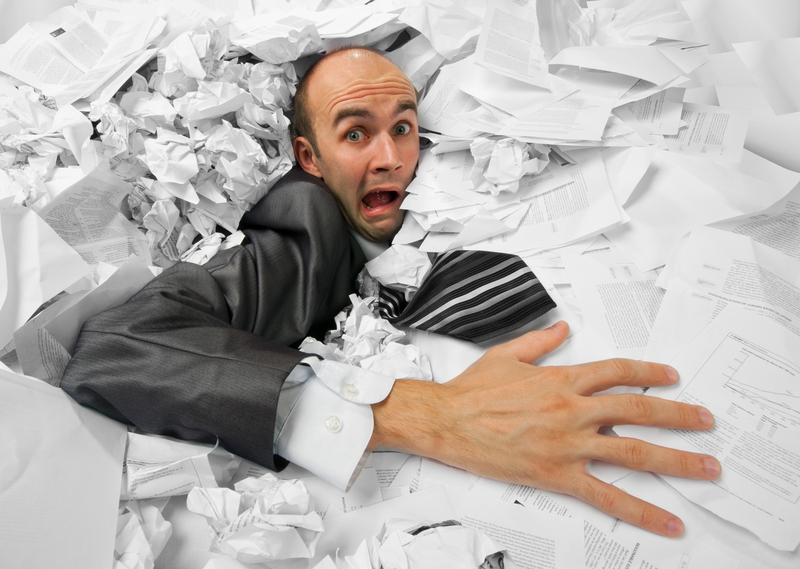
A man in formal business attire, wearing a dark suit jacket and a striped tie, is partially buried under a large heap of crumpled and scattered white papers, some with printed text and graphs visible. His facial expression shows surprise or distress, with wide eyes and an open mouth, and his head is tilted to one side. His right arm is extended outward, with his hand resting on some papers, while his left arm is partially hidden beneath the pile. The setting appears to be an indoor space, possibly an office or a storage area for waste, with the papers forming a dense mess around him, illustrating a scenario that could relate to urgent waste clearance or the accumulation of office-related rubbish, which Rubbish Waste’s services can assist with in managing. The lighting is neutral, highlighting the textures of the crumpled paper and the man’s clothing, emphasizing the chaos of the scene and connecting it with the need for professional rubbish removal or collection, in line with independent waste handling options suggested by private waste disposal services.

Takeaways


Recycling is an easy and effective way to reduce waste and support the environment. By sorting your waste, composting, upcycling, and taking advantage of local recycling programs, you can make a positive impact on the planet. While there are some cons to recycling, the benefits far outweigh them.

In Conclusion


As you can see, there are many easy ways for beginners to recycle at home. With just a little effort and commitment, you can help reduce pollution, save energy and resources, and create a better future for our planet. So why not start today? Remember to always be mindful of what you consume and how you dispose of it. Every small step counts towards making a big difference in the world.

Latest Posts

Hard Waste: Disposal Guidelines

Large Furniture Disposal Techniques

PPE Environmental Impact Mitigation

Trash Hauling Bags - Skip-Free Solution

Options for Old TV Disposal

A photograph showing a driveway scene with a large, dark blue skip bin positioned on the paved surface. The skip is filled with various types of waste, including cardboard boxes, plastic containers, and household debris, with some waste visibly protruding at the top. The material of the bin appears to be metal, with a smooth, slightly reflective finish and reinforced edges. Behind the skip, a section of a brick wall and a portion of a garden with greenery are visible, indicating an outdoor setting typically associated with private waste disposal or on-site clearance. To the right, a part of a rubbish collection vehicle or general waste management equipment might be partially visible, highlighting the context of professional rubbish removal services like those offered by Rubbish Waste. The scene is evenly lit by natural daylight, emphasizing the clarity of the waste contents and the texture of the skip. The image captures a typical environment where independent collection or private waste handling takes place, reflecting practical rubbish removal in a residential or commercial setting.
Bill Hildreth

Bill, a true maestro in waste disposal, has over a decade of experience transforming untidy spaces into organized havens. Proficient in efficient rubbish removal techniques, his commitment to sustainability makes him a trusted choice for clients seeking to declutter homes or businesses.


You like what we do?

Other services we provide

  • Rubbish Collection
  • Rubbish Removal
  • Waste Clearance
  • Rubbish Clearance
  • Builders Waste Removal
  • Skip Permit
  • Garden Waste Removal
  • Commercial Rubbish Clearance
  • Domestic Rubbish Clearance
  • House Clearance
  • Scrap Metal Collection
  • White Goods Recycling
Company info
Company name: Rubbish Waste
Telephone: 020 3540 8131
Opening Hours: Monday to Sunday, 07:00-22:00
Street address: 24 Corsham Street
Postal code: N1 6DR
City: London
Country: United Kingdom
Latitude: 51.5275830 Longitude: -0.0868460
E-mail: office@rubbishwaste.co.uk
Web: https://www.rubbishwaste.co.uk/
Description: Our friendly London rubbish removal team can provide garbage clearance or an office clearing service on daily, weekly or monthly basis. Call and book us today!

Sitemap
About
  • About Us
  • Blog
  • Central London
  • West London
  • North London
  • East London
  • South East London
  • South West London
  • North West London
  • Greater London
  • Terms and Conditions
  • Privacy Policy
  • Work with us
  • Accessibility Statement
  • Cookie Policy
  • Insurance and Safety
  • Modern Slavery Statement
  • Payment and Security
  • Pricing and Quotes
  • Recycling and Sustainability
  • Licence and Compliance
  • Services Overview
Rubbish Waste Google reviews

Payments powered by Barclaycard (Pay with Visa, Mastercard, Maestro, American Express, Union Pay, PayPal)
Environmental Agency Registered Waste Carrier

Copyright © . Rubbish Waste. All Rights Reserved.