logo
020 3540 8131
logo
  • Home
  • About Us
  • Areas we cover
  • Prices
  • Services
    Rubbish Collection Rubbish Removal Waste Clearance Rubbish Clearance Builders Waste Removal Skip Permit Garden Waste Removal Commercial Rubbish Clearance Domestic Rubbish Clearance House Clearance Scrap Metal Collection White Goods Recycling
  • Contacts
020 3540 8131

Unsafe Plastics Warning

Posted on 01/01/2025

Plastic has become an indispensable part of our daily lives due to its versatility, durability, and affordability. However, not all plastics are created equal, and some can pose serious risks to human health and the environment. Understanding the implications of unsafe plastics and taking steps to minimize exposure is crucial for maintaining wellbeing and preserving the planet.


Types of Unsafe Plastics


There are several types of plastics that have been identified as unsafe due to the chemicals they contain and the potential health risks. Here is a list of some common types:


    • Polyvinyl Chloride (PVC): Found in pipes, toys, and packaging. PVC can release harmful chemicals like phthalates and dioxins.

    • Polystyrene (PS): Often used in disposable cutlery, cups, and plates. It can leach styrene, a possible human carcinogen.

    • Polycarbonate (PC): Used in water bottles, food containers, and electronic components. PC can release Bisphenol A (BPA), which is linked to hormonal disruptions.


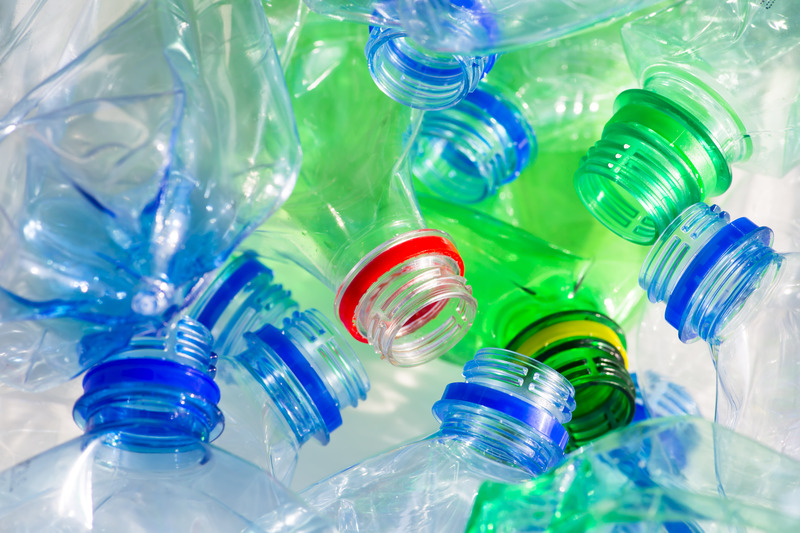
A close-up view of numerous discarded plastic bottles made from clear polyethylene terephthalate (PET), with various colors of screw caps including red, green, blue, and black. The bottles are crumpled and piled atop one another, showing textured surfaces with evidenced folds, ridges, and transparency that reveal their hollow interiors. The caps are threaded and tightly fitted onto the necks of the bottles, some appearing twisted or partially unscrewed. The scene is illuminated with bright, natural light, highlighting the glossy textures and creating reflections on the plastic surfaces. The background is indistinct but suggests a clean, neutral environment, possibly within an industrial or waste collection setting. This assortment of plastic bottles and caps exemplifies typical packaging waste that is often subject to specialist collection services, such as those offered by Rubbish Waste, to support proper disposal or recycling outside traditional municipal refuse systems, aligning with the concept of alternative waste handling methods in rubbish and waste management.

Health Risks Associated with Unsafe Plastics


Exposure to unsafe plastics can lead to a range of health issues. Some of the primary concerns include:


    • Endocrine Disruption: Chemicals like BPA and phthalates can interfere with the body's hormone systems, potentially causing reproductive issues, developmental problems, and increased cancer risk.

    • Cardiovascular Issues: Certain plastic chemicals may contribute to heart disease and other cardiovascular problems.

    • Neurological Damage: Prolonged exposure to harmful plastics can affect brain function and increase the risk of neurodevelopmental disorders in children.


Environmental Impact of Unsafe Plastics


Unsafe plastics not only pose risks to human health but also have significant environmental consequences:


    • Pollution: Plastics take hundreds of years to decompose, contributing to long-term pollution in oceans and landfills.

    • Wildlife Harm: Animals can ingest plastic debris, leading to injury or death. Chemicals from plastics can also accumulate in the food chain.

    • Resource Depletion: The production of plastics relies on non-renewable resources like oil and natural gas, which are finite.



How to Identify Unsafe Plastics


Identifying and avoiding unsafe plastics can be challenging. Here are some tips:


    • Check the Recycling Code: Plastics are often marked with a recycling code, usually located at the bottom of the product. Avoid plastics with codes 3 (PVC), 6 (PS), and 7 (Other, often polycarbonate).

    • Look for BPA-Free Labels: While not foolproof, products labeled as BPA-free are generally safer alternatives.

    • Opt for Alternatives: Choose glass, stainless steel, or other non-plastic options whenever possible.


Tips to Reduce Exposure to Unsafe Plastics


    • Use reusable bags and containers to minimize single-use plastic waste.

    • Avoid microwaving food in plastic containers, as heat can cause chemicals to leach out.

    • Be cautious with plastic toys and personal care products; look for safer alternatives.


Pros and Cons of Plastics


Plastics offer several advantages and disadvantages:


Pros:


    • Durable and versatile.

    • Cost-effective for manufacturing and distribution.

    • Lightweight, reducing transportation emissions.


Cons:


    • Potential health risks from exposure to harmful chemicals.

    • Environmental pollution and wildlife harm.

    • Dependency on non-renewable resources.


Close-up of a woman's lower body in a shopping mall, holding multiple colorful paper shopping bags with twisted handles in pink, green, yellow, blue, and orange. She is wearing dark blue skinny jeans and black high-heeled shoes standing on a light-colored tiled floor. The background shows blurred store displays and bright lighting, indicating a busy retail environment. The scene highlights the collection and disposal of retail packaging materials, relevant to waste management services like private rubbish collection or on-site clearance provided by companies such as Rubbish Waste, which specialise in responsible rubbish removal for retail waste and packaging materials. The vibrant bags contrast against the neutral surroundings, emphasizing the need for effective waste handling methods for packaging waste generated from shopping activities in commercial environments.

Key Takeaways


Reducing exposure to unsafe plastics is vital for health and environmental sustainability. Pay attention to recycling codes, choose safer alternatives, and follow guidelines to minimize risk.


Conclusion


While plastics are an integral part of modern life, being aware of the dangers of unsafe plastics and taking proactive steps to reduce exposure is essential. By making informed choices, we can protect our health and contribute to a cleaner, safer environment.

Latest Posts

Hard Waste: Disposal Guidelines

Large Furniture Disposal Techniques

PPE Environmental Impact Mitigation

Trash Hauling Bags - Skip-Free Solution

Options for Old TV Disposal

A close-up view of a pile of mixed waste materials placed on a paved driveway, including several large, black plastic rubbish bags with a glossy, crinkled texture, some partially torn or loosely tied. Among the waste are visible white plastic containers and packaging, along with various smaller plastic fragments, all scattered in a disorganized manner. The background shows a section of a residential driveway or yard surface with some gravel and concrete, indicating an outdoor location suited for independent waste collection or private rubbish disposal. The scene highlights a typical example of unmanaged waste accumulation that may require professional rubbish removal services by companies like Rubbish Waste for proper clearance and environmentally responsible disposal, reflecting the context of alternative waste handling outside traditional municipal collection.
Stephen Ruge

Detail-oriented organizer Stephen has a passion for creating order out of chaos. With a keen eye for detail and a methodical approach, he excels in decluttering and arranging spaces to perfection. His dedication to efficiency and aesthetics have earned him a reputation as one of the best professional organizers in the industry.


You like what we do?

Other services we provide

  • Rubbish Collection
  • Rubbish Removal
  • Waste Clearance
  • Rubbish Clearance
  • Builders Waste Removal
  • Skip Permit
  • Garden Waste Removal
  • Commercial Rubbish Clearance
  • Domestic Rubbish Clearance
  • House Clearance
  • Scrap Metal Collection
  • White Goods Recycling
Company info
Company name: Rubbish Waste
Telephone: 020 3540 8131
Opening Hours: Monday to Sunday, 07:00-22:00
Street address: 24 Corsham Street
Postal code: N1 6DR
City: London
Country: United Kingdom
Latitude: 51.5275830 Longitude: -0.0868460
E-mail: office@rubbishwaste.co.uk
Web: https://www.rubbishwaste.co.uk/
Description: Our friendly London rubbish removal team can provide garbage clearance or an office clearing service on daily, weekly or monthly basis. Call and book us today!

Sitemap
About
  • About Us
  • Blog
  • Central London
  • West London
  • North London
  • East London
  • South East London
  • South West London
  • North West London
  • Greater London
  • Terms and Conditions
  • Privacy Policy
  • Work with us
  • Accessibility Statement
  • Cookie Policy
  • Insurance and Safety
  • Modern Slavery Statement
  • Payment and Security
  • Pricing and Quotes
  • Recycling and Sustainability
  • Licence and Compliance
  • Services Overview
Rubbish Waste Google reviews

Payments powered by Barclaycard (Pay with Visa, Mastercard, Maestro, American Express, Union Pay, PayPal)
Environmental Agency Registered Waste Carrier

Copyright © . Rubbish Waste. All Rights Reserved.