logo
020 3540 8131
logo
  • Home
  • About Us
  • Areas we cover
  • Prices
  • Services
    Rubbish Collection Rubbish Removal Waste Clearance Rubbish Clearance Builders Waste Removal Skip Permit Garden Waste Removal Commercial Rubbish Clearance Domestic Rubbish Clearance House Clearance Scrap Metal Collection White Goods Recycling
  • Contacts
020 3540 8131

Reduce Environmental Impact with Home Waste Tips

Posted on 07/02/2025

Reducing your environmental impact begins at home, and one of the most effective ways to contribute to a healthier planet is by managing your household waste responsibly. Here we provide some practical tips to help you reduce, reuse, and recycle more effectively in your daily life.
The Importance of Waste Reduction at Home


Home waste is a significant contributor to environmental pollution. From food scraps to plastic packaging, the waste generated in households often ends up in landfills or oceans, harming wildlife and releasing greenhouse gases. By adopting mindful waste management practices, you can minimize your ecological footprint and promote sustainability.

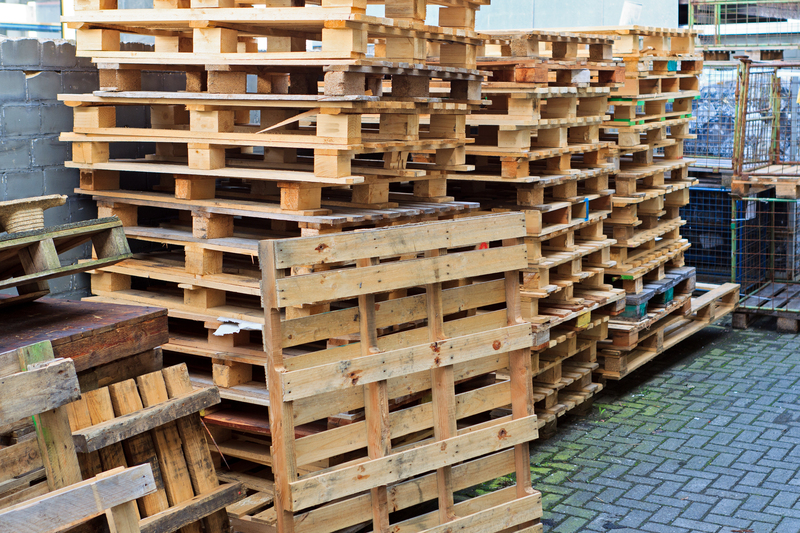
A large stack of wooden pallets lies on a paved outdoor surface, arranged in multiple vertical columns with some pallets leaning against each other. The pallets are made of light-colored, untreated timber with visible grain and some rough edges, and are positioned on top of one another, creating a substantial heap. In the background, there are additional pallets and fencing, indicating a storage or waste management area for shipping materials or disposed packaging, typical of a commercial or industrial premises. The pallets appear clean but show signs of use, with some minor discoloration and weathering. To the left, part of a wooden platform or workbench is visible, and the ground is composed of gray interlocking paving stones with areas of moss or dirt between them. The scene is illuminated by natural daylight, emphasizing the textures and clean finish of the wooden structures, reflecting a setting where private waste collection or on-site clearance might be conducted by waste management services such as Rubbish Waste, focusing on materials for reuse or proper disposal.

Tip 1: Recycle Properly


Recycling is one of the simplest ways to manage waste, but it must be done correctly:
- Sort your recyclables: Ensure paper, glass, plastic, and metal items are clean and separated.
- Avoid contamination: Food-soiled items should not be recycled, as they can contaminate the entire batch.
- Be informed: Check local recycling guidelines, as they can vary by region.

Tip 2: Compost Organic Waste


Composting is a natural way to recycle organic waste, turning kitchen scraps into nutrient-rich soil:
- Set up a compost bin: Whether you have a garden or a small balcony, a compost bin can fit any space.
- Know what to compost: Fruit and vegetable peels, coffee grounds, and eggshells are compostable. Avoid meat, dairy, and oily foods.
- Maintain balance: A good compost pile consists of green (nitrogen-rich) and brown (carbon-rich) materials.

Tip 3: Reduce Single-Use Plastics


Single-use plastics are a major pollutant. To limit your plastic waste:
- Use reusable bags, bottles, and containers: Opt for durable, washable items instead of disposables.
- Avoid individually packaged products: Choose bulk items or those with minimal packaging.
- Support plastic-free initiatives: Patronize businesses that prioritize sustainable packaging.
Tip 4: Mindful Purchasing


Being a conscious consumer can significantly reduce waste:
- Buy only what you need: Overbuying often leads to spoilage and waste.
- Choose sustainable products: Opt for items made from recycled materials or sustainable sources.
- DIY cleaning products: Reduce chemical waste and packaging by making your own household cleaners.

Some Additional Tips to Consider


- Repair and Repurpose: Before throwing items away, consider if they can be repaired or repurposed.
- Donate Unused Items: Clothes, electronics, and furniture in good condition can be donated rather than discarded.
- Participate in Local Clean-Up Efforts: Engaging in community clean-up activities can help manage waste pollution locally.

Pros and Cons of Home Waste Reduction


Pros:
- Environmental Benefit: Reduces pollution and conserves natural resources.
- Health Improvement: Less waste means fewer pollutants and toxins entering the air and water.
- Economic Saving: Buying less and reusing more can save money.

Cons:
- Time-Consuming: Sorting waste and maintaining compost requires effort and consistency.
- Space Requirements: Proper waste management might need additional space for recycling bins and composting.
- Initial Cost: Investing in reusable products or a compost bin can have an upfront cost.

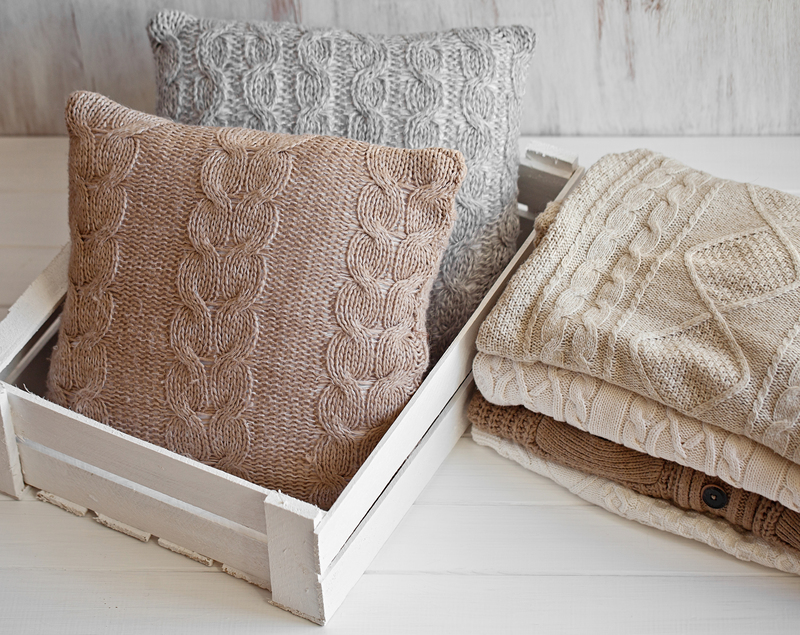
A white wooden tray positioned on a light-colored surface contains two decorative cushions with textured knit covers; one cushion features a soft beige tone with cable-knit patterns, and the other is a light gray shade with similar textured knitting. Next to the tray, a neatly folded stack of knitted blankets or throws in neutral shades of beige, cream, and light brown can be seen, some with cable-knit designs, and one with a visible button closure. The background consists of a wooden wall with a subtle stone-like finish, adding a natural, rustic atmosphere. The overall scene conveys a cozy, domestic environment with soft, tactile textiles, emphasizing home decor items that could be part of a collection to be disposed of or reorganized when considering rubbish removal services like those offered by Rubbish Waste. The lighting is natural and evenly distributed, highlighting the textures and subtle tones of the fabrics in a neutral, professional manner aligned with the context of home waste or decluttering projects.

Takeaways


1. Proper waste management at home stands crucial for reducing our environmental impact.
2. Recycling, composting, reducing single-use plastics, and mindful purchasing are vital steps.
3. The efforts might demand time and space, but the long-term benefits outweigh the inconveniences.

Conclusion


Adopting these home waste reduction tips is a meaningful step towards a sustainable future. While it may take some effort to implement these practices, the rewards for the environment, our health, and our economy are substantial. Remember, every small action counts, and together, we can make a significant impact.

Latest Posts

Hard Waste: Disposal Guidelines

Large Furniture Disposal Techniques

PPE Environmental Impact Mitigation

Trash Hauling Bags - Skip-Free Solution

Options for Old TV Disposal

A professional waste collection scene showing a large, black industrial-grade rubbish bin placed on a concrete driveway. The bin is made of textured plastic with a matte finish, featuring a hinged lid that is currently closed. Surrounding the bin, there are various discarded materials, including cardboard boxes, plastic bags, and miscellaneous household waste, arranged loosely and indicating an on-site rubbish removal task. To the right of the bin, a pair of work gloves and a metal crowbar rest on the ground, suggesting recent handling activity. In the background, part of a residential property’s exterior with a brick wall and window is visible, along with some garden foliage visible further back. The scene is illuminated by natural daylight, creating soft shadows and highlighting the different textures of waste materials and the bin’s surface. This setup reflects a typical private rubbish collection process, akin to independent waste handling services provided by companies like Rubbish Waste, situated in an environment that supports alternative waste disposal outside regular council collections.
Stephen Ruge

Detail-oriented organizer Stephen has a passion for creating order out of chaos. With a keen eye for detail and a methodical approach, he excels in decluttering and arranging spaces to perfection. His dedication to efficiency and aesthetics have earned him a reputation as one of the best professional organizers in the industry.


You like what we do?

Other services we provide

  • Rubbish Collection
  • Rubbish Removal
  • Waste Clearance
  • Rubbish Clearance
  • Builders Waste Removal
  • Skip Permit
  • Garden Waste Removal
  • Commercial Rubbish Clearance
  • Domestic Rubbish Clearance
  • House Clearance
  • Scrap Metal Collection
  • White Goods Recycling
Company info
Company name: Rubbish Waste
Telephone: 020 3540 8131
Opening Hours: Monday to Sunday, 07:00-22:00
Street address: 24 Corsham Street
Postal code: N1 6DR
City: London
Country: United Kingdom
Latitude: 51.5275830 Longitude: -0.0868460
E-mail: office@rubbishwaste.co.uk
Web: https://www.rubbishwaste.co.uk/
Description: Our friendly London rubbish removal team can provide garbage clearance or an office clearing service on daily, weekly or monthly basis. Call and book us today!

Sitemap
About
  • About Us
  • Blog
  • Central London
  • West London
  • North London
  • East London
  • South East London
  • South West London
  • North West London
  • Greater London
  • Terms and Conditions
  • Privacy Policy
  • Work with us
  • Accessibility Statement
  • Cookie Policy
  • Insurance and Safety
  • Modern Slavery Statement
  • Payment and Security
  • Pricing and Quotes
  • Recycling and Sustainability
  • Licence and Compliance
  • Services Overview
Rubbish Waste Google reviews

Payments powered by Barclaycard (Pay with Visa, Mastercard, Maestro, American Express, Union Pay, PayPal)
Environmental Agency Registered Waste Carrier

Copyright © . Rubbish Waste. All Rights Reserved.