logo
020 3540 8131
logo
  • Home
  • About Us
  • Areas we cover
  • Prices
  • Services
    Rubbish Collection Rubbish Removal Waste Clearance Rubbish Clearance Builders Waste Removal Skip Permit Garden Waste Removal Commercial Rubbish Clearance Domestic Rubbish Clearance House Clearance Scrap Metal Collection White Goods Recycling
  • Contacts
020 3540 8131

Managing Packaging Waste

Posted on 14/05/2025


Packaging waste represents one of the most prominent environmental concerns facing our planet today. With the rise of consumerism and e-commerce, the amount of waste generated from packaging materials has surged. From cardboard boxes to plastic wraps, managing this waste effectively is essential to reduce the environmental footprint and promote sustainability.
Understanding the Types of Packaging Waste


To manage packaging waste effectively, it is crucial to understand the various types of packaging materials. These include:

1. Plastic: Commonly used for bottles, bags, and wraps. It is non-biodegradable and can take centuries to decompose.
2. Paper/Cardboard: Often used for boxes and is easier to recycle compared to plastic.
3. Glass: Used for containers and bottles, but heavy and energy-intensive to recycle.
4. Metal: Mainly used for cans and foils. Recycling metal is energy-efficient and cost-effective.

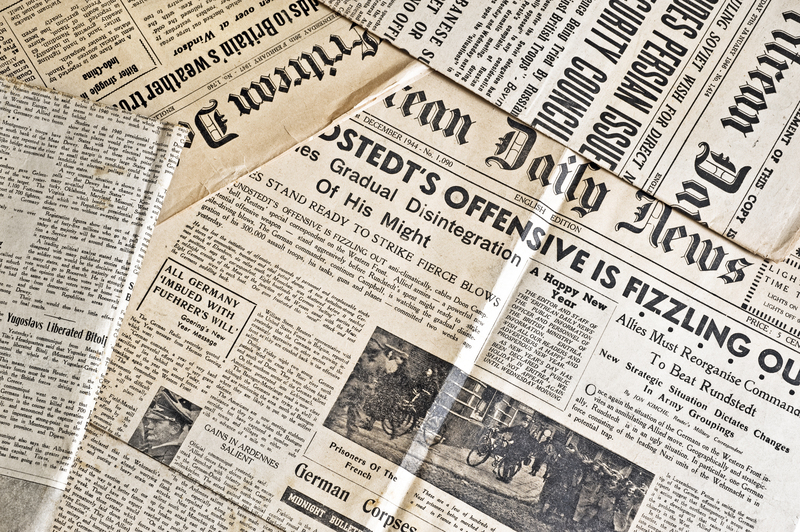
A collection of old newspapers, arranged in overlapping layers, with visible headlines and articles in black ink on aged, off-white paper. The newspapers are spread out on a flat surface, possibly a wooden table or floor, with some edges curled or slightly torn. The text includes bold headlines such as 'STUDENT'S OFFENSIVE IS FIZZYING' and smaller columns of print, with images of soldiers and military scenes, and advertisements. The overall appearance reflects historical print media, with textured, slightly yellowed pages that indicate age. The scene conveys a sense of vintage print materials and assumes the context of paper disposal or recycling, which could relate to rubbish removal or waste management services specializing in the collection of old printed materials. The subdued lighting emphasizes the textured paper surface and the textual details, aligning with professional waste handling practices for paper or newspaper recycling without emphasizing promotional language.

Impact of Packaging Waste on the Environment


The environmental impact of packaging waste is significant and multifaceted:

1. Pollution: Non-biodegradable packaging materials like plastic can pollute land and water bodies, affecting wildlife and ecosystems.
2. Resource Depletion: The production of packaging materials consumes natural resources, leading to deforestation and resource scarcity.
3. Carbon Footprint: Manufacturing and transporting packaging materials contribute to greenhouse gas emissions, exacerbating climate change.

Strategies for Managing Packaging Waste


Managing packaging waste involves implementing strategies at various levels, from producers to consumers. Here are some effective methods:

1. Reduce: Minimize the use of packaging materials by opting for bulk purchasing and using reusable containers.
2. Reuse: Encourage the reuse of packaging materials, such as glass bottles and cloth bags, to reduce waste.
3. Recycle: Promote the recycling of materials like paper, cardboard, and metals to reduce the volume of waste in landfills.
4. Eco-friendly Packaging: Adopt biodegradable and compostable packaging materials to lessen environmental impact.
5. Extended Producer Responsibility (EPR): Hold manufacturers accountable for the lifecycle of their packaging materials, encouraging sustainable practices.

Government Regulations and Policies


Governments worldwide are implementing regulations to manage packaging waste:

1. Plastic Bans: Many countries have banned single-use plastics to reduce pollution.
2. Recycling Mandates: Regulations requiring businesses to recycle a certain percentage of their packaging waste.
3. Deposit Return Schemes: Encouraging consumers to return packaging materials for a refund, thereby promoting recycling.

Pros and Cons of Managing Packaging Waste


Understanding the pros and cons helps in evaluating the effectiveness of waste management practices:

Pros:
- Reduces environmental pollution and carbon emissions.
- Conserves natural resources.
- Promotes sustainable practices and eco-friendly products.

Cons:
- Initial costs for implementing recycling and waste management systems can be high.
- Requires public awareness and cooperation.
- Some materials, like plastic, are challenging to recycle effectively.

Tips for Reducing Packaging Waste


Here are some practical tips for consumers and businesses:

1. Opt for Minimal Packaging: Choose products with minimal or no packaging whenever possible.
2. Support Recyclable Packaging: Purchase items packaged in materials that are easily recyclable.
3. Participate in Recycling Programs: Engage in local recycling initiatives and ensure proper waste segregation.
4. Educate and Raise Awareness: Spread the word about the importance of reducing packaging waste.

A stack of used wine corks arranged in a circular pattern and secured in place with two thin metal bands, resting on a dark weathered wooden surface. The corks vary in color from light beige to pale pink and purple, with some displaying visible textures such as small holes, cracks, and ink markings. The background is dark and blurred, emphasizing the cork arrangement, which may be used as a decorative or craft feature. The setting suggests an indoor environment, possibly related to wine or beverage disposal, or an example of repurposing waste materials such as corks for alternative uses. The image reflects the concept of managing packaging waste through mindful reuse or highlighting discarded items that could be collected by waste management services like Rubbish Waste for proper disposal or recycling, consistent with the focus of handling packaging waste in a professional waste removal context.

Takeaways


- Reducing, reusing, and recycling are key strategies in managing packaging waste.
- Adopting eco-friendly packaging materials can significantly reduce environmental impact.
- Effective waste management requires a collective effort from manufacturers, consumers, and governments.

Conclusion


Managing packaging waste is essential for protecting our environment and ensuring a sustainable future. By understanding the types of packaging materials, their impact, and the strategies to manage them, we can significantly reduce waste and promote eco-friendly practices. Governments, businesses, and consumers must work together to implement effective waste management systems and reduce the environmental footprint of packaging materials.

Latest Posts

Hard Waste: Disposal Guidelines

Large Furniture Disposal Techniques

PPE Environmental Impact Mitigation

Trash Hauling Bags - Skip-Free Solution

Options for Old TV Disposal

A large pile of mixed waste materials sits on a paved outdoor surface, likely part of a rubbish removal or disposal process. The waste includes various cardboard boxes, some flattened and others partially folded, with visible corrugated textures and brown, white, and printed surfaces. There are black bin liners, some torn or partially open, revealing more debris inside. Plastic packaging—such as shrink wrap and plastic sheeting—are intertwined with paper and cardboard, adding to the cluttered appearance. The waste is stacked haphazardly, leaning against a wall or barrier on the left side of the image, with some items spilling onto the surrounding pavement. In the background, a clean, grey building or wall provides a neutral backdrop, suggesting a private or commercial property setting. Nearby, a green outdoor environment might be faintly visible, with shaded lighting indicating overcast skies or diffused natural light. The scene depicts a typical example of independent rubbish disposal, aligned with services like those offered by Rubbish Waste for on-site clearance or bulk waste collection, emphasizing a professional approach to managing packaging waste outside of local authority bins.
Stephen Ruge

Detail-oriented organizer Stephen has a passion for creating order out of chaos. With a keen eye for detail and a methodical approach, he excels in decluttering and arranging spaces to perfection. His dedication to efficiency and aesthetics have earned him a reputation as one of the best professional organizers in the industry.


You like what we do?

Other services we provide

  • Rubbish Collection
  • Rubbish Removal
  • Waste Clearance
  • Rubbish Clearance
  • Builders Waste Removal
  • Skip Permit
  • Garden Waste Removal
  • Commercial Rubbish Clearance
  • Domestic Rubbish Clearance
  • House Clearance
  • Scrap Metal Collection
  • White Goods Recycling
Company info
Company name: Rubbish Waste
Telephone: 020 3540 8131
Opening Hours: Monday to Sunday, 07:00-22:00
Street address: 24 Corsham Street
Postal code: N1 6DR
City: London
Country: United Kingdom
Latitude: 51.5275830 Longitude: -0.0868460
E-mail: office@rubbishwaste.co.uk
Web: https://www.rubbishwaste.co.uk/
Description: Our friendly London rubbish removal team can provide garbage clearance or an office clearing service on daily, weekly or monthly basis. Call and book us today!

Sitemap
About
  • About Us
  • Blog
  • Central London
  • West London
  • North London
  • East London
  • South East London
  • South West London
  • North West London
  • Greater London
  • Terms and Conditions
  • Privacy Policy
  • Work with us
  • Accessibility Statement
  • Cookie Policy
  • Insurance and Safety
  • Modern Slavery Statement
  • Payment and Security
  • Pricing and Quotes
  • Recycling and Sustainability
  • Licence and Compliance
  • Services Overview
Rubbish Waste Google reviews

Payments powered by Barclaycard (Pay with Visa, Mastercard, Maestro, American Express, Union Pay, PayPal)
Environmental Agency Registered Waste Carrier

Copyright © . Rubbish Waste. All Rights Reserved.