logo
020 3540 8131
logo
  • Home
  • About Us
  • Areas we cover
  • Prices
  • Services
    Rubbish Collection Rubbish Removal Waste Clearance Rubbish Clearance Builders Waste Removal Skip Permit Garden Waste Removal Commercial Rubbish Clearance Domestic Rubbish Clearance House Clearance Scrap Metal Collection White Goods Recycling
  • Contacts
020 3540 8131

Efficient Ways to Dispose of Rubbish at Construction Sites

Posted on 05/07/2024

Construction sites are known for creating a large amount of waste and rubbish. From packaging materials to unused materials, construction sites can generate a significant amount of rubbish on a daily basis. Improper disposal of this rubbish not only poses a threat to the environment but also hinders the progress of the construction project. Therefore, it is important for construction companies and workers to adopt efficient ways to dispose of rubbish at construction sites.

The Problem with Rubbish Disposal at Construction Sites


One of the main challenges faced by construction companies when it comes to rubbish disposal is the sheer volume of waste generated. With multiple trade contractors working on different aspects of a project, there can be numerous types of waste being produced simultaneously. This includes wood, metal, concrete, and other building materials. In addition, lack of proper planning and organization can lead to scattered and unmanaged waste, making it difficult to dispose of efficiently.

Moreover, disposing of rubbish at construction sites has a negative impact on the environment. Many construction materials are non-biodegradable and can take years or even decades to decompose if not disposed of properly. Carelessly disposing of these materials can contribute to air and water pollution, as well as harm local wildlife.

A decorative wooden drawer with ornate brass detailing along the front edge, positioned open to reveal a deep red, polished interior. The drawer is rectangular with a rich, dark wood finish on the exterior, contrasting with the intricate brass pattern and small round brass knobs. It is placed against a plain white background, with the drawer slightly tilted, showing both the front decorative panel and the empty interior. The scene emphasizes the craftsmanship of the drawer, and the image can be associated with fine furniture or specialist collection handling, which may relate to alternative waste management or disposal of vintage items. Although the focus is on the detailed and ornamental design of the piece, the setting suggests an environment where such items could be removed or collected separately for private disposal or waste handling services by companies like Rubbish Waste. The overall lighting is even, highlighting the polished surface of the wood and the detailed brasswork, presenting a clear view of the object's craftsmanship and material quality.

Tips for Efficient Rubbish Disposal at Construction Sites


To reduce the impact on the environment and ensure efficient waste management at construction sites, here are some tips that every construction company should follow:

1. Implement a Waste Management Plan


The first step towards efficient rubbish disposal is to have a clear plan in place. A waste management plan should include details about the types of waste expected to be generated during the project, how it will be collected and disposed of, and who will be responsible for managing it. This will help in streamlining the process and ensuring all stakeholders are aware of their roles and responsibilities.

2. Separate and Segregate Waste


Sorting waste at the source can significantly reduce the volume of waste to be disposed of. It is important for workers to separate materials such as wood, metal, and concrete from general waste to make recycling easier and more efficient. This also prevents cross-contamination of waste, which can hinder recycling efforts.

3. Use Skip or Roll-On/Off Containers


Skip or roll-on/off containers are ideal for disposing of large quantities of waste at construction sites. These containers can be easily transported and placed in a designated area for workers to deposit various types of waste. This not only keeps the site organized but also makes it easier for waste management companies to collect and dispose of the waste efficiently.

4. Utilize Recycling Facilities


Many construction materials such as metal scraps, cardboard, and plastic can be recycled rather than sent to landfills. Engaging with local recycling facilities can help in reducing the amount of waste that ends up in landfills and contribute towards a greener environment.
Pros and Cons


There are several advantages to implementing efficient rubbish disposal methods at construction sites. These include reducing the environmental impact, minimizing health hazards, adhering to regulatory requirements, and saving costs on waste disposal services.

However, there are also a few potential challenges that may arise when trying to dispose of rubbish efficiently at construction sites. These include increased labor costs for sorting and segregation, potential delays due to proper planning for disposal methods, and finding suitable recycling facilities for specific types of waste.

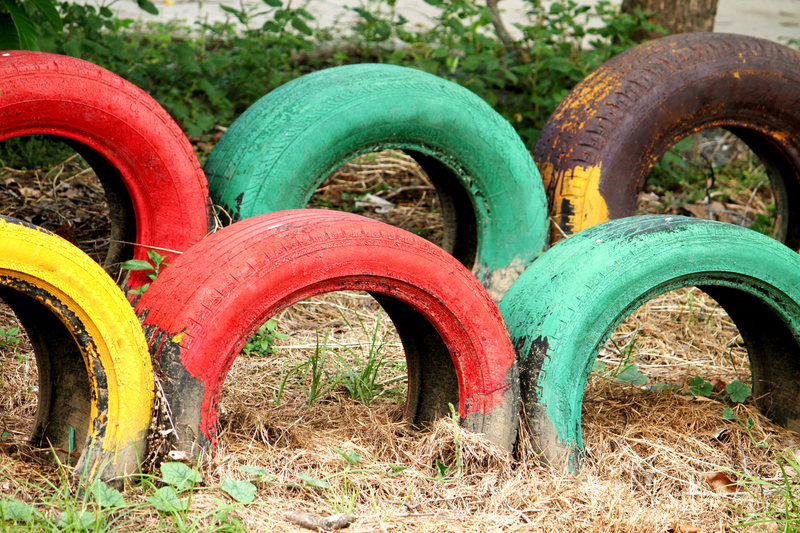
A collection of six old, worn tires partially buried in dry, brown soil with patches of grass and small green plants growing around them. The tires are painted in bright colors: red, green, and yellow, with some showing signs of peeling paint and rust on the surface, indicating weathering and age. They are arranged in an overlapping pattern, with three tires in the foreground and three in the background, creating a semi-circle shape on a natural outdoor ground area. The soil appears gritty and slightly uneven, with some pebbles and organic debris scattered among the plants. In the background, there is a green leafy hedge or shrub, providing a natural boundary. This scene may reflect a location where old tires are stored for disposal or recycling, consistent with waste management practices such as those offered by Rubbish Waste, which may include on-site clearance of such waste as part of a comprehensive rubbish collection service.

Takeaways


Efficient rubbish disposal at construction sites is crucial for maintaining a safe and sustainable environment. Some key takeaways from this article include implementing a waste management plan, separating and segregating waste, using suitable containers for collection, and engaging with local recycling facilities.

Conclusion


In conclusion, construction companies need to prioritize efficient rubbish disposal at their job sites. By implementing these tips and considering the pros and cons, construction companies can ensure proper waste management, reduce their impact on the environment, and promote sustainable practices. Let us all work towards a greener future by adopting these efficient ways to dispose of rubbish at construction sites.

Latest Posts

Hard Waste: Disposal Guidelines

Large Furniture Disposal Techniques

PPE Environmental Impact Mitigation

Trash Hauling Bags - Skip-Free Solution

Options for Old TV Disposal

A paved outdoor area featuring a collection of various waste materials and debris arranged in multiple piles. In the foreground, there are stacked wooden planks with rough, textured surfaces and a weathered, light brown color, partially overlapping a large mound of mixed construction waste including broken drywall, plastic sheeting, and crumpled packaging. Nearby, a pile of discarded packaging materials in red, white, and black colors and crumpled plastic sheets is visible. To the right, a section of packed rubble containing broken concrete, bricks, and small fragments with coarse textures and grey and reddish hues is evident. Surrounding the waste, the environment appears to be an open, outdoor space, possibly a construction site or a designated rubbish storage area, with some patches of grass and dirt visible in the background, indicating a semi-industrial setting. The lighting suggests natural daylight, with soft shadows cast by the objects, and the scene overall presents an organized collection of waste for potential reuse or disposal, illustrating an aspect of private rubbish management by Rubbish Waste involved in on-site clearance or alternative waste handling for construction projects.
Bill Hildreth

Bill, a true maestro in waste disposal, has over a decade of experience transforming untidy spaces into organized havens. Proficient in efficient rubbish removal techniques, his commitment to sustainability makes him a trusted choice for clients seeking to declutter homes or businesses.


You like what we do?

Other services we provide

  • Rubbish Collection
  • Rubbish Removal
  • Waste Clearance
  • Rubbish Clearance
  • Builders Waste Removal
  • Skip Permit
  • Garden Waste Removal
  • Commercial Rubbish Clearance
  • Domestic Rubbish Clearance
  • House Clearance
  • Scrap Metal Collection
  • White Goods Recycling
Company info
Company name: Rubbish Waste
Telephone: 020 3540 8131
Opening Hours: Monday to Sunday, 07:00-22:00
Street address: 24 Corsham Street
Postal code: N1 6DR
City: London
Country: United Kingdom
Latitude: 51.5275830 Longitude: -0.0868460
E-mail: office@rubbishwaste.co.uk
Web: https://www.rubbishwaste.co.uk/
Description: Our friendly London rubbish removal team can provide garbage clearance or an office clearing service on daily, weekly or monthly basis. Call and book us today!

Sitemap
About
  • About Us
  • Blog
  • Central London
  • West London
  • North London
  • East London
  • South East London
  • South West London
  • North West London
  • Greater London
  • Terms and Conditions
  • Privacy Policy
  • Work with us
  • Accessibility Statement
  • Cookie Policy
  • Insurance and Safety
  • Modern Slavery Statement
  • Payment and Security
  • Pricing and Quotes
  • Recycling and Sustainability
  • Licence and Compliance
  • Services Overview
Rubbish Waste Google reviews

Payments powered by Barclaycard (Pay with Visa, Mastercard, Maestro, American Express, Union Pay, PayPal)
Environmental Agency Registered Waste Carrier

Copyright © . Rubbish Waste. All Rights Reserved.